Visiting Ancient Ephesus: St Paul and the Jew Gentile Controversy
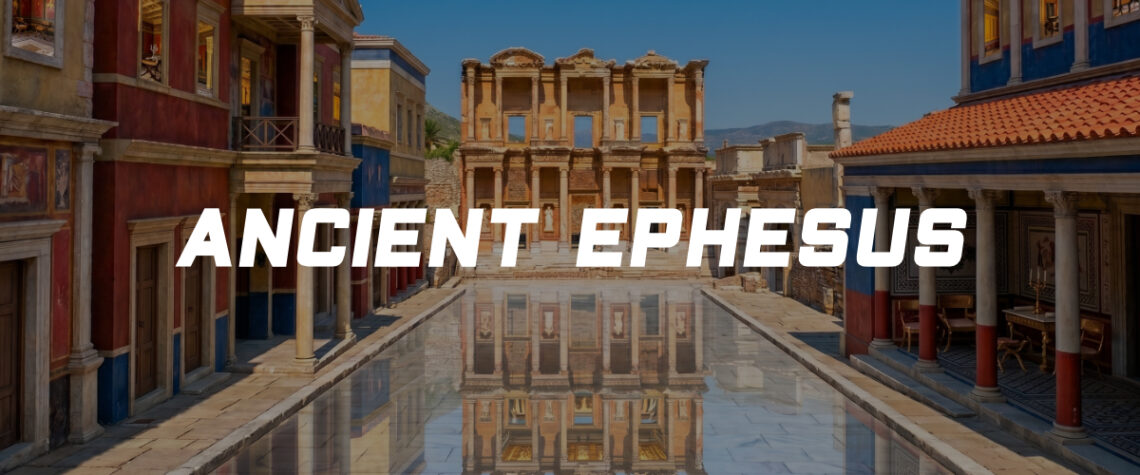
A visit to the ruins of ancient Ephesus is a journey through one of the most remarkable cities of the Roman world. Nestled near modern-day Selçuk in Turkey, Ephesus captivates visitors with its grand streets, imposing theatre and intimate glimpses into ancient lives. As we walked the marble-paved Curetes Street under the boiling sun, the past felt vividly alive—especially when reflecting on the Apostle Paul’s transformative time here in the mid-first century AD.
This mystery is that through the Gospel the Gentiles are heirs together with Israel, members together of one body and sharers together in the promise in Christ Jesus
– Ephesians 3:6
The Forgotten Ephesus Controversy. Walk the Bible, EP 16
Don’t forget to Subscribe to Walk the Bible on YouTube & follow us on social media @walkthebible to keep up-to-date with the latest episodes from Walk the Bible.
Paul’s Ministry in a Bustling Metropolis
In the book of Acts, we read how Paul spent about two to three years in Ephesus during his third missionary journey (around AD 53–56). He initially taught in the Jewish synagogue for three months before moving to the lecture hall or school of Tyrannus, where he reasoned daily with both Jews and Greeks.
He took the disciples with him and had discussions daily in the lecture hall of Tyrannus
– Acts 19:9
This extended teaching period allowed the Gospel to spread throughout the province of Asia. Scholars often point to an area to the left of the present Library of Celsus facade as the likely location of Tyrannus’s hall. The famous Library of Celsus itself, with its stunning reconstructed façade, was built much later—in the early second century AD (around AD 110–135) as a monument to the Roman senator Tiberius Julius Celsus Polemaeanus. Its construction post-dates Paul by decades, serving as a reminder that the Ephesus Paul knew was a developing city of commerce, religion and ideas.
The Mystery Revealed
Paul’s time in Ephesus deeply informed his letter to the Ephesians, written later from prison. In Ephesians 3, he unveils a profound mystery that had been hidden in previous generations but was now revealed through the Gospel. Gentiles—non-Jews—were asking deep questions about their place in God’s promises, which had long centred on Israel. How could outsiders share in the blessings long promised to the Jewish people?
Paul explains this beautifully in Ephesians 3. In Christ, believing Jews and Gentiles become fellow heirs, fellow members of the same body and fellow partakers of God’s promises. This unity was revolutionary in a world divided, and it formed a core message Paul proclaimed in Ephesus’s streets, halls and homes.
- The Book of Revelation Chronology: An End Time Timeline by Paul Backholer
- A Third Temple in Jerusalem will be Built
- The Battle of Armageddon and the Return of Jesus Christ to Israel
- 666 – The Mark of the Beast and the End Times Antichrist
- What is the Rapture?
- Six End Time Signs for Israel
- 20 Signs of the End Times
- Christians will be Raptured before the Tribulation
- The Seven Trumpets in the Book of Revelation
- Borders are Good! The Bible, Immigration, Refugees & Economic Migrants
- Is Being Woke Christian or Antichrist?
- The Collapse of the United States: A Time-Traveller from 1950 Visits the US in 2023
- Homosexuality, Promiscuity and the Collapse of Society: Follow the Science
- The Forgotten White Slaves and the Ignored History of Slavery Worldwide
- What is a Woman? And why it Matters to Christians
- Why Abortion is Wrong
The Terrace Houses
One of the most fascinating stops on our visit was the Terrace Houses (also known as the Houses of the Rich), located on the slopes of Bülbül Mountain opposite the Temple of Hadrian. These multi-level Roman villas, built from the 1st century BC and occupied into later centuries, offer an extraordinary window into the lives of Ephesus’ elite.
Protected by a modern roof for preservation, the houses feature exquisite mosaics on floors, vibrant frescoes on walls depicting mythological scenes, marble cladding, private baths and even early central heating via a hypocaust system (underfloor hot air circulation). Residents enjoyed indoor plumbing with hot and cold running water, spacious peristyle courtyards open to the sky, dining rooms, bedrooms and guest quarters. Daily life for these wealthy families involved social gatherings, business dealings, and displays of culture and status in a cosmopolitan port city.
Paul took the road through the interior and arrived at Ephesus. There he found some disciples and asked them, “Did you receive the Holy Spirit when you believed?”
– Acts 19:1-2
Yet Paul’s message was not confined to the powerful. He preached the same Gospel to rich and poor alike: that Jesus Christ is Lord. In a city filled with temples to Artemis and imperial worship, this declaration challenged every allegiance. Whether in the humble workshops where he likely made tents, the lecture hall of Tyrannus, or conversations that reached the Terrace Houses, Paul proclaimed a Saviour who unites all people—Jew and Gentile, slave and free, rich and poor—into one body through faith.
Reflections on Our Visit
Standing amid these ruins, one cannot help but marvel at how a tentmaker from Tarsus helped ignite a movement that transcended social classes and ethnic barriers. The grand theatre where a riot once erupted over Paul’s teaching, the broad avenues, and the preserved homes all speak of a city where ideas clashed and faith took root.
To the angel of the church in Ephesus write: These are the words of Him who holds the seven stars in his right hand and walks among the seven golden lampstands. I know your deeds, your hard work and your perseverance…You have persevered and have endured hardships for My name, and have not grown weary.
– Revelation 2:1-3
Ephesus reminds us that the Gospel’s power lies in its ability to redeem all. As Paul wrote, the promises of God in Christ are for all who believe. Our visit left us inspired by the enduring legacy of this ancient city and the timeless message that continues to echo through its stones.
By Paul Backholer. Find out about Paul’s books here.
Don’t forget to Subscribe to Walk the Bible on YouTube & follow us on social media @walkthebible to keep up-to-date with the latest episodes from Walk the Bible.